Comprehensive Guide: What to Check Before Acquiring a Brand New or Pre-Owned R32 Engine
Acquiring an R32 engine, whether new or previously owned, requires a careful review of several critical factors. Fitment compatibility with the host vehicle, engine health, and performance parameters are essential to ensuring a worthwhile investment. Furthermore, understanding maintenance history and posing the appropriate inquiries can greatly impact the evaluation process. As prospective purchasers address these important factors, key insights are available that could guide their concluding selection. What critical points should they concentrate on to prevent expensive errors?
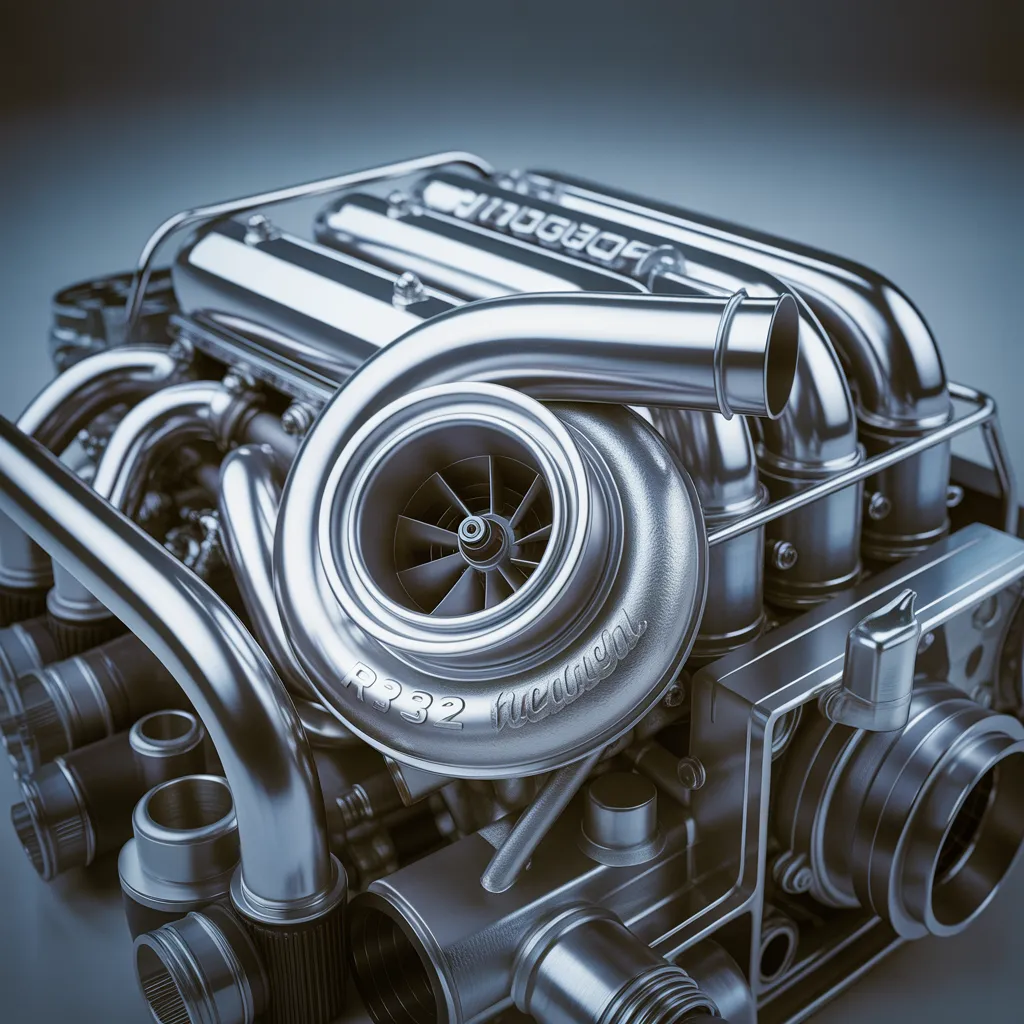
Critical Compatibility Factors for the R32 Powerplant
When evaluating the acquisition of an R32 engine, prospective buyers must acknowledge that compatibility is critical for maximum performance. To begin, they should confirm that the engine matches the vehicle's specific model and year. Differences in engine specifications can result in operational problems or fitment difficulties. Moreover, the drivetrain compatibility is essential; the R32 engine must work in conjunction with the transmission and differential systems to function correctly.
Furthermore, buyers should consider the electrical parts. Alignment with the car's wiring harness and ECU is vital for seamless operation. Such inconsistencies can produce significant technical difficulties. Additionally, evaluating physical dimensions is important, as engine mounting systems and dimensional restrictions can impact installation.
Finally, assessing support for third-party components is critical for buyers who want to upgrade their vehicle's capabilities. By taking these points into account, potential buyers will be in a stronger position to make an informed decision concerning their R32 engine purchase.
Essential Signs of an R32 Engine's Performance
When assessing the condition of an R32 engine, key indicators include compression test results and oil leak detection. A compression test reveals the engine's internal state and overall performance capability, while inspecting for oil leaks may reveal potential mechanical problems. Combined, these assessments offer valuable information about the engine's long-term reliability and durability.
Results of Compression Testing
A detailed compression test is critical for assessing the condition of an R32 engine, as it provides critical insights into its internal condition. This procedure measures the pressure generated in each cylinder, revealing the engine's capacity to preserve appropriate compression levels. Generally, properly operating R32 engines should exhibit uniform compression values across all cylinders, usually ranging between 140 to 180 psi. Notable variations may indicate concerns such as worn piston rings, cylinder head problems, or valve wear. Inadequate compression in one or more cylinders can signal potential repair needs, affecting general performance and engine life. As a result, potential purchasers should prioritize compression test results when evaluating an R32 engine to ensure they are making an informed investment.
Oil Leak Inspection
Examining for oil leaks functions as an essential step in assessing the condition of an R32 engine. Often, leaks can indicate underlying issues such as worn seals, gaskets, or components. A thorough visual check is essential; look for oil residue around the engine block, oil pan, and valve covers. Pay attention to any pooling or dripping oil beneath the vehicle, as this can indicate a more serious underlying issue. Employing a flashlight can help expose hard-to-see leaks. Moreover, inspecting the oil level routinely can show if oil is being consumed or lost abnormally. Resolving oil leaks quickly can help avoid additional damage and confirm the engine performs at its best, making it a significant element to evaluate when buying an R32 engine.
Analyzing R32 Engine Performance Metrics
When assessing the R32 engine, understanding power output ratings is essential for appraising its performance capabilities. Just as significant is examining torque characteristics, as these metrics directly influence driving experience and responsiveness. A comprehensive analysis of both factors offers meaningful understanding of the engine's total capability and adaptability across multiple applications.
Power Output Ratings
Power output ratings function as an essential standard for assessing the performance of the R32 engine. These ratings indicate the engine's capacity to produce horsepower, a key consideration for enthusiasts and buyers alike. Generally, the R32 engine is recognized for its robust output, regularly going beyond 250 horsepower, based on the specific model and modifications. Knowing these ratings enables potential purchasers to determine whether the engine aligns with their performance standards. Additionally, comparing power outputs across different R32 variants can reveal significant differences that may affect acquisition considerations. Purchasers ought to further examine the engine's state, since deterioration can impact output. In the end, precise power output figures offer valuable information into the general performance capacity and possibilities of the R32 engine.
Analysis of Torque Characteristics
Torque specifications hold considerable importance in evaluating the overall performance of the R32 engine, complementing the power output ratings previously discussed. Measured in pound-feet or Newton-meters, torque indicates the engine's ability to perform work effectively at various RPMs. The R32 engine commonly displays a wide torque curve, that boosts drivability and throttle sensitivity, particularly during routine driving situations. Maximum torque commonly develops at lower RPM levels, providing strong acceleration and improved throttle response. Performance enthusiasts frequently look for engines that sustain torque over a broader RPM spectrum, as this contributes to a more engaging driving experience. Consequently, understanding torque specifications is essential when evaluating an R32 engine's capability and suitability for specific driving needs.
What You Should Understand About Maintenance Records
How important are maintenance records when considering the purchase of an R32 engine? Maintenance records supply important details into the engine's background and general state. They outline routine services, repairs, and any potential issues that were resolved over time. A thoroughly recorded service history demonstrates that the previous owner focused on regular maintenance, which can lead to improved durability and output.
In contrast, gaps or deficiencies in records can suggest carelessness or lingering issues, raising red flags for potential buyers. It is essential to confirm that regular service activities—such as oil changes, timing belt replacements, and fluid checks—were completed according to manufacturer guidelines. Buyers should also look for any modifications or upgrades documented in the records, as they may affect the vehicle's performance and dependability. At the end of the day, thorough maintenance records serve as a reliable tool for assessing the engine's history, providing explore the facts peace of mind for prospective buyers.
How to Examine Your R32 Engine's Physical State
When inspecting an R32 engine's physical condition, it is important to carry out a detailed assessment to identify any signs of wear or deterioration. Commence by checking the engine housing for corrosion, cracks, or rust, which can suggest negligence or significant problems. Inspect the oil for signs of contamination; a milky appearance could indicate a failed head gasket. Inspect the timing belt and accessory belts for fraying or cracks, as these elements are vital for proper engine function.
Evaluate the state of connections and hoses, checking for signs of deterioration or leaks. A thorough visual check of the exhaust assembly can uncover corrosion or holes that may affect engine performance. Be attentive to strange sounds when starting the engine, as they could indicate underlying issues. To conclude, check the attachment points for any evidence of misalignment, which can suggest previous damage or faulty installation. This thorough evaluation will aid in determining the engine's overall reliability and lifespan.
Critical Questions to Direct to the Seller?
Evaluating the vendor's awareness and openness is essential when looking to buy an R32 engine. Interested parties should open by questioning about the engine's past, including previous modifications and maintenance records. Inquire about the mileage and any known issues that could affect performance. Inquiries regarding the engine's warranty or return policy can also reveal the seller's confidence in their product.
It is important to determine whether the engine has undergone any rebuilds or repairs, as well as information about the specific components that were replaced. Additionally, it is advisable for buyers to inquire about why the seller is parting with the engine, as this information may uncover warning signs. Finally, asking for references or reviews from previous customers can provide insight into the seller's credibility and track record. These questions are fundamental to making a knowledgeable choice and securing a fulfilling transaction outcome.
Understanding R32 Engine Pricing and Value
Pricing the R32 engine requires a detailed look at several key aspects that impact its price. Essential aspects consist of the engine's mileage, condition, and service history. A well-maintained engine with lower mileage usually warrants a greater value due to its reliability and performance potential. Additionally, purchasing an engine through a reliable dealer helps build trust in the transaction.
Market demand also plays a crucial role in pricing; as collectors seek R32 engines, prices may fluctuate based on availability and popularity. The overall age of the engine, along with any alterations made, can further affect its value. For illustration, aftermarket enhancements may boost desirability, but they can also complicate reliability assessments.
At the end of the day, thorough analysis of existing market patterns and equivalent listings is crucial for identifying a competitive price. Prospective buyers ought to align their available funds with the engine's specifications to guarantee a worthwhile acquisition for their auto restoration endeavor.
Questions We Are Often Asked
What Are Typical Modifications for R32 Engines?
Popular enhancements for R32 powerplants include replacing the stock turbocharger, enhancing the exhaust system, tuning the ECU, mounting a performance-grade intercooler, and optimizing the intake configuration, all aimed at increasing horsepower and overall performance.
How Can I Verify That the Engine Is Original?
To determine if an engine is genuine, careful inspection of serial numbers is recommended, check for manufacturer stamps, and cross-reference components with official specifications. In addition, examining documentation alongside previous ownership history can offer additional verification of authenticity.
Have There Been Any Specific Recalls for R32 Engines?
Yes, there have been notable recalls for R32 engines, largely focusing on problems concerning fuel system components and emissions controls. Interested purchasers ought to confirm recall status via official manufacturer resources or service records for peace of mind.
What Is the Average Lifespan of an R32 Engine?
The standard lifespan of an R32 engine typically ranges between 150,000 to 200,000 miles, subject to maintenance and driving conditions. Routine servicing can greatly extend its longevity and performance over time.
Can an R32 Engine Be Swapped Into Another Model?
Yes, an R32 engine swap into a different model is possible, though compatibility varies based on the vehicle's make and modifications required. Proper research and adjustments are essential to guarantee successful integration and peak performance.